


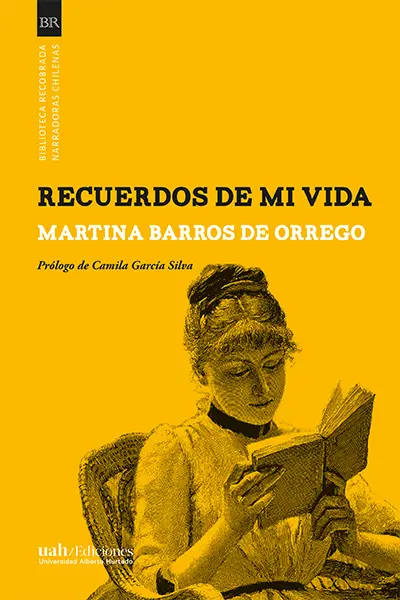
Chile. Niece of Diego Barros Arana, she grew up in a family that not only held political, economic, and social power, but also a marked intellectual vocation. She was educated, along with her siblings, in her uncle's home, who did not differentiate between men and women in terms of rigor and demands. Thus, Martina Barros was a 19th-century intellectual, and before turning twenty, she translated John Stuart Mill's work, "The Subjection of Women." Within the parameters of her time, she was a precursor to feminism, an organizer of gatherings and debates around women's spheres of freedom, their cultural education, and their eventual political participation.
Recovered Library
Autor: Martina Barros de Orrego