


Search Results for:
June
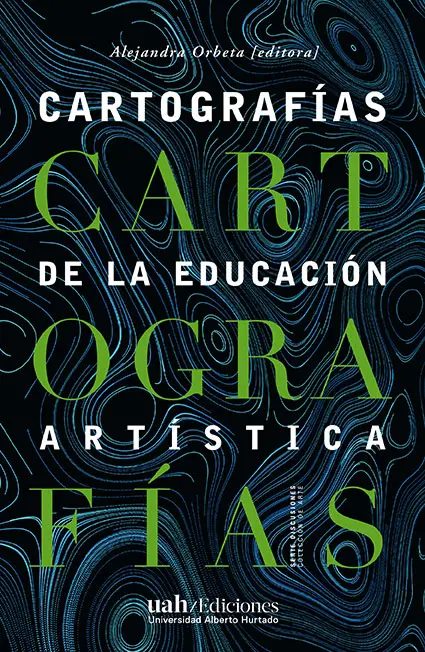
This book consists of twelve texts organized around five referential coordinates: Teacher training in visual arts, Children's art education, Cinema and audiovisual teaching, Art pedagogy, affects and senses, and Education, art, space, and power. The texts are contributions by national and international authors who traverse various topics and question current art education, testing answers that help make visible the importance of educating in, for, and through the arts.
June
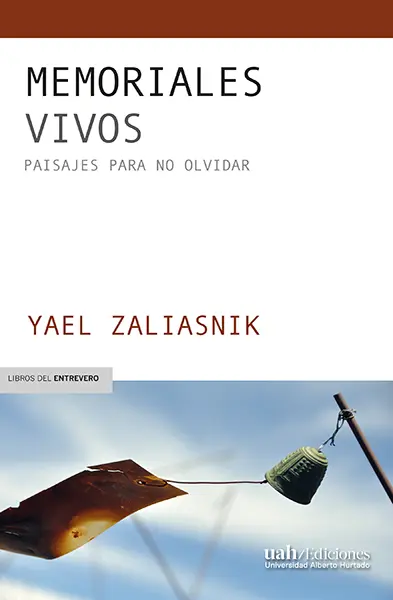
Memorials, and memory spaces and sites in Chile have been made possible because groups and individuals have shaped them and have lent them the support of their memories and the memories of many, seeking to challenge everyone. Building a shared memory is a utopia that has the virtue of moving different generations, seeking to repair the irreparable. It is a living challenge within the pages of this book, crucial for understanding the relationship between memories and spaces. The commemorations by human rights collectives at sites that move them and us are formidably explained in this book, taking Villa Grimaldi, Venda Sexy, La Moneda, and the Atacama Desert as occasions. Yael Zaliasnik takes us on a walk through the spaces, sites, and temporalities of memory in post-dictatorship Chile. The walk is long, with no predictable end, but essential for repairing and constructing a memory that is “collective, discussed, shared.”.
June
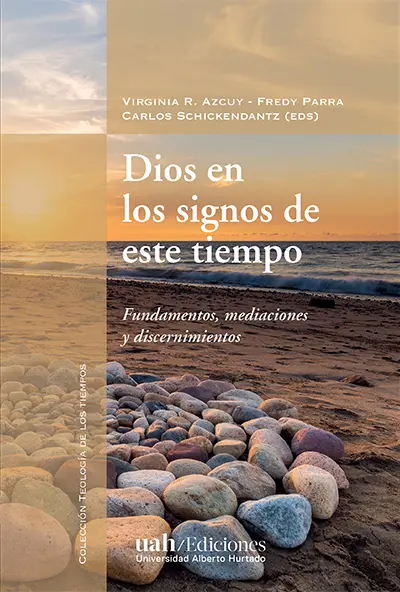
Understanding the complex world in which we live and discerning the signs of the times in the era we are experiencing as humanity is an essential task entrusted to all people. This labor especially engages believers, faith, and theology. Such understanding and discernment, which require the cooperation of the most diverse fields of knowledge and disciplines, seek to nourish significant human experiences and drive ethical-political, personal, and community commitments. With patience and without absolute certainties, aided by a rich tradition that dates back to the very origins of biblical faith in the ancient Near East, the goal is to interpret one's own historical crossroads and discern within it the presence of God in the signs of this time.
June
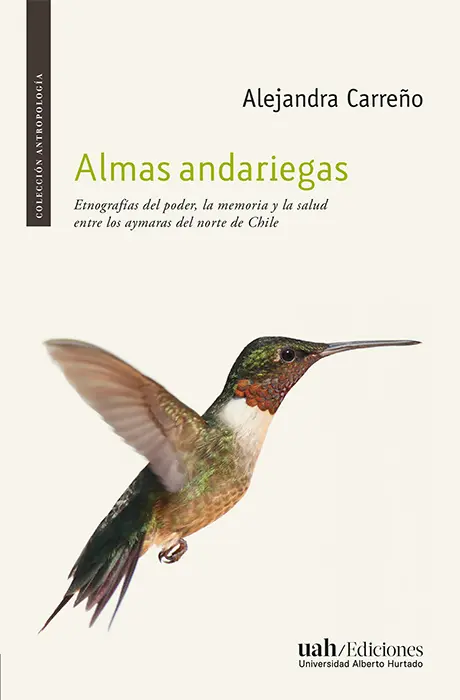
This book takes us through the experience of psychological suffering in people of Aymara origin living in neighborhoods of the city of Arica. Based on their life trajectories and ways of understanding their illness, the author reminds us of the history of our Latin America and the form that psychological suffering takes in those who are part of our indigenous peoples, broadening the horizon of understanding and transformation of the practices of our community mental health service teams.
June
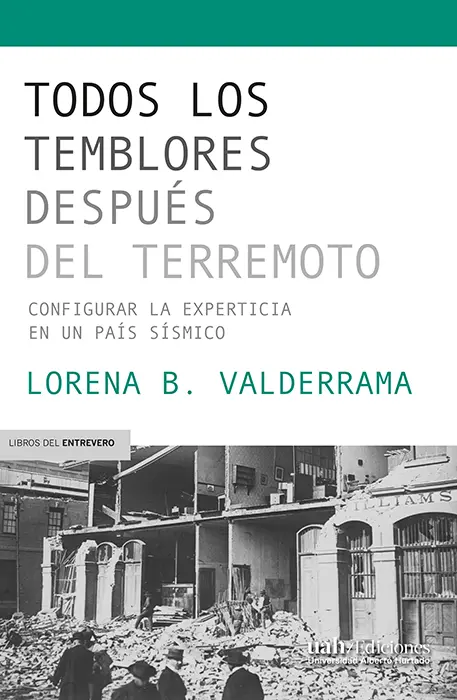
The catastrophic Valparaíso earthquake of 1906, which left more than three thousand dead, made possible various actions, among them the development of seismic study. Amid the emergency of the disaster, science held a privileged place, given that research commissions were established, specialists were hired, and thirty-four observatories were created that formed the Seismological Service of Chile. This book focuses on the study of the people who participated in the construction and legitimation of seismic knowledge in Chile at the beginning of the 20th century, which was multiple and diverse. However, many of the actors studied here have been ignored by the history of science in Chile, as is the case with earthquake predictors, informants, schoolteachers, priests, and sailors, among others.
June
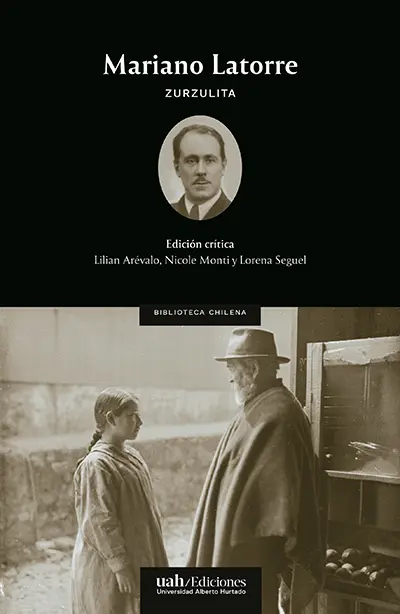
One hundred years after the publication of the novel, the question regarding the type of relationship established between humanity and nature seems to return with urgency, a question that, for reasons very different from ours, was also important to Latorre. A reading done in the present can clearly see the displacement and, in doing so, can also illuminate issues that seem vital today, such as the formation of a certain awareness regarding the limits that separate the natural from the human.
June
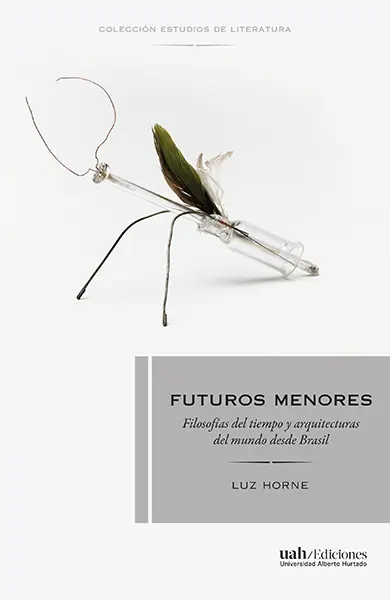
This new book by Luz Horne brings together diverse artistic and literary materials to make them think in concert, in an intellectual kitchen full of subtleties and surprises. The architecture of Lina Bo Bardi, the cinema of Eduardo Coutinho, the unclassifiable work of Flávio de Carvalho, among others, come together from the horizon of the question about past, present, and future time, from the geopolitical and historical confines of modernity, whose reverses and contradictions this book explores with a lucidity and originality that are much needed today.
June
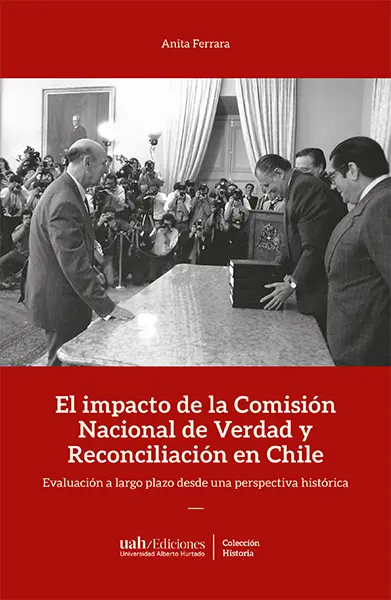
The book takes a long-term view of the work of Chile's National Commission for Truth and Reconciliation (CNVR) and questions how and to what extent this commission contributed and continues to contribute to the development of transitional justice measures, and in what way its relationship with subsequent events is established over time. The book argues, contrary to the opinion and expectations of those who considered it to have had limited success, that in the long run, the Chilean CNVR played an important role in enabling justice and ethical and institutional transformation in Chile. With the benefit of historical perspective, this book concludes that, in general, the impact of truth commissions must be carefully studied in the context of the Chilean experience.
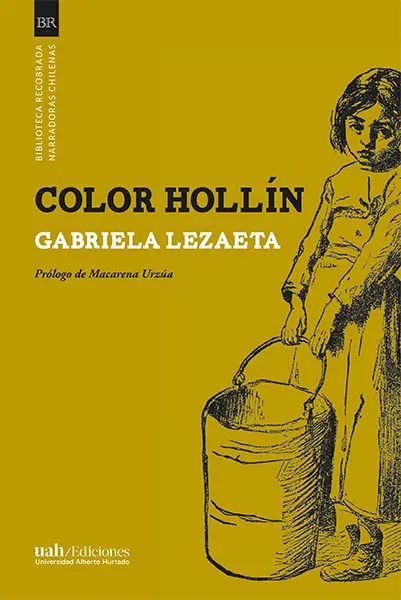
June
We don't know exactly what tone the “color of misery,” as it's called in the early pages of this novel, corresponds to, which is soot. We usually associate soot with dirtiness, poverty, something worn out, a shade that moves away from what is worthy of contemplation, like the natural landscape of a field, a beach, or a garden with flowers. This coloring, that of soot, will be one that guides the description of the novel's setting, where shades ranging from grays to dark brown abound. In Soot color, we hear multiple voices, especially women: Maria's mother, the town's healer, the neighbors, and primarily Maria herself. This combination gives us a unique social perspective of Chile at that time, told through the subjective and poetic gaze of the narrator.