In this work of denunciation, Inés Echeverría notingly narrates the drama of her daughter Rebeca's marriage to Roberto Barceló Lira and the horrifying moment when he murders her with a shot to the back, but she also refers, in a scathing manner, to the double standard of an entire society. A hypocrisy that allowed the husband to beat his wife without any scandal, while debts and deceit did cause members of his class to raise an outcry. A duplicity that placed the rich above the law and the poor against the firing squad, that allowed silent blows and embezzlements in the face of the justice system's selective blindness and that persists today, explicit and shameful, in numerous judicial cases where the powerful evade the law thanks to the same networks of influence that a century ago Roberto Barceló sought to use.
Search Results for:
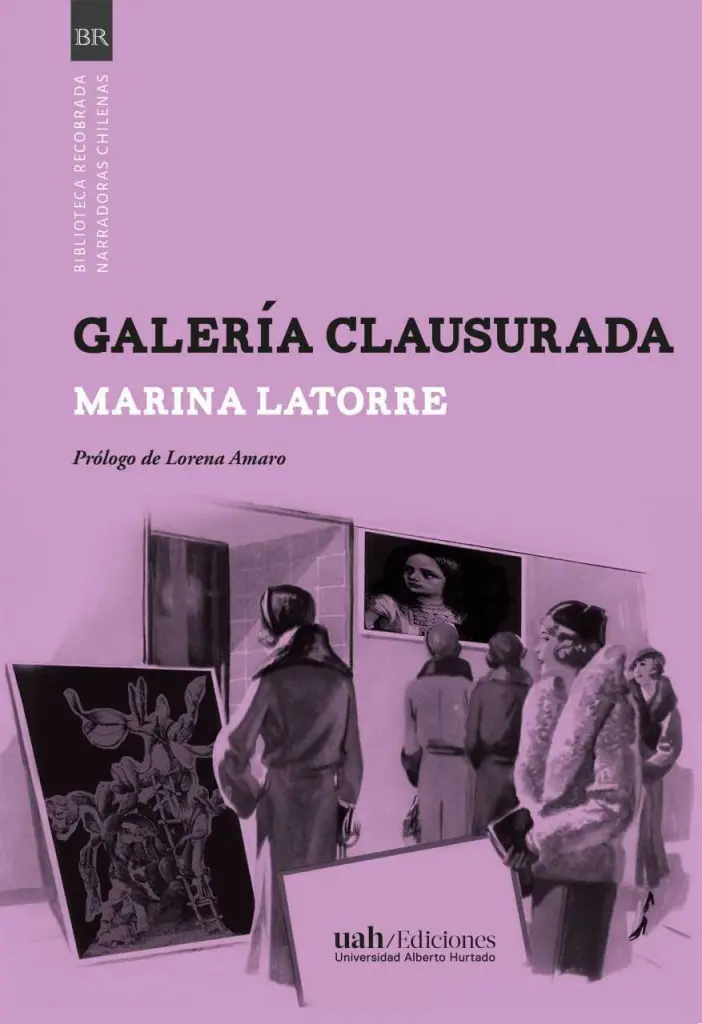
In her texts, Marina Latorre pays special attention to dialogue. With short, direct, and simple sentences and paragraphs, she seeks to capture, with a few strokes and without necessarily aiming for literary verisimilitude, the atmospheres and disputes in which her characters find themselves. Just as yesterday, today a commercialized and elitist understanding of art continues to clash with another of a romantic, progressive, and liberating kind, which in the 1960s took the form of social “commitment.” This tension animates many of these stories, in which different voices in dispute collide.
The girl Yáñez shows us in the pages of her book is not like those who dance in Gabriela Mistral's rounds; she is not ready to be swept away by delirium, not ready to be noticed. And yet, we notice her, follow her, accompany her. The adult narrator has managed to update the past through a fantastical account, yes, but one full of details. What is marvelous about this text is that without disregarding the fears, pains, losses, and worries that childhood is full of, and by unifying those experiences with games, joys, and calm, María Flora Yáñez has constructed a text that manages to represent the complexity of a childhood (hers) and, with it, to recognize that every childhood is unique and unrepeatable.
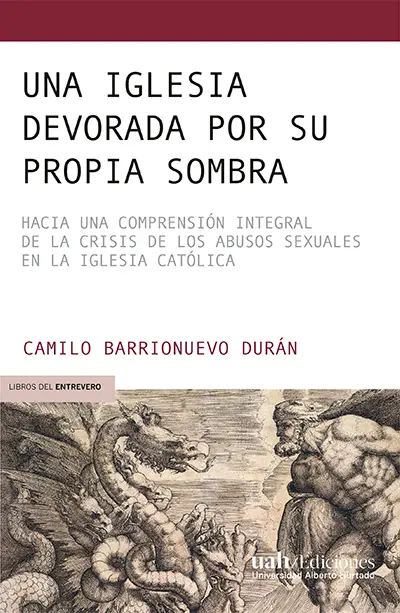
With Carl Jung's contribution on dark complexes as a backdrop, this brings us closer to the shadow of a Church that gazes at itself, like Narcissus contemplating his beauty, while it walks naked through the cries of those who have remained silent for decades about the suffering endured under its protection. The victims of yesterday, survivors today, will find in these pages what sustained and sustains those who abused them. Without that ideological support, without the complicity of abusive structures in many areas, without institutional narcissism cloaked in clericalism, without the secret and dark experience of a poorly assimilated sexuality, among some of the keys to understanding addressed in this book, the impunity of their actions and the clumsy institutional response when the truth stands starkly before their eyes are incomprehensible.
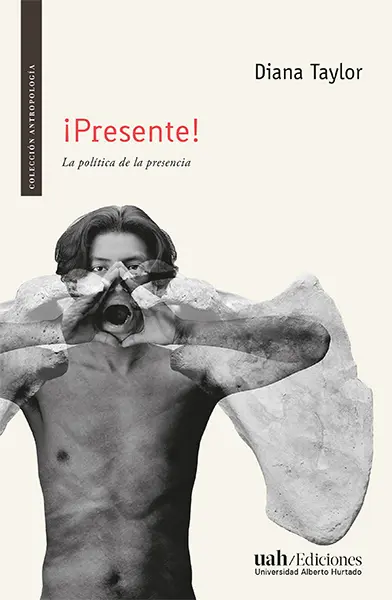
In this journey, the author joins fellow travelers, breaking away from disciplines and academia in search of alternative epistemic practices elsewhere, in art, performance, and other ways of world-making. ¡Presente! does not view knowledge as something to be harvested and commercialized, but rather as a doing, a committed knowing, a process of being, walking, speaking, and listening to and with others, with all the pitfalls, complications, contradictions, and responsibilities that entails.
Orrego's work weaves together the stories of various individuals determined to find fortune, in contrast to indigenous subjects depicted as inhabitants of primitive times who, faced with the modernization of their territories, are compelled to interact with Creoles, mestizos, or foreigners. All of this is interspersed with scenes of industrial development, such as descriptions of the railway, steamships, and the telegraph, as well as landscapes of small towns and their popular histories. Likewise, some historical and political events from Manuel Bulnes' presidency are described. These are societal changes that Orrego observed from his childhood, events which, moreover, are closely related to his family's involvement in the mining business.
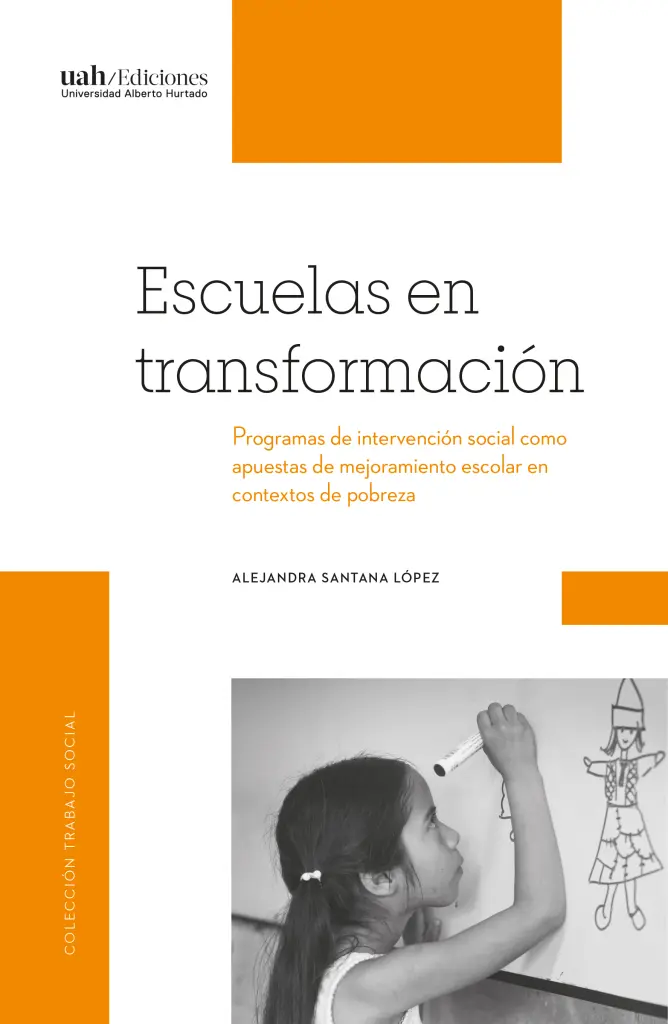
Approaching social intervention programs implemented in schools provides an opportunity to understand how these processes are generated and developed, processes which hold horizons of social transformation and impact communities, families, and children. What is presented in this book is an analysis of the implementation processes of social intervention programs in disadvantaged contexts within the current educational reform in Chile, from the perspective of their communities. This book addresses the articulation between the analysis of educational policy, the approach to schools as living communities, and the implementation of programs with their strategies and techniques.
This book, the first dedicated entirely to the work of Valeria Sarmiento, contains a series of essays that address various aspects of her film work and a selection of documents that include her acceptance speech for the Honorary Doctorate awarded by the University of Valparaíso, an extensive conversation with the editors, an annotated filmography, and an image album of her career.
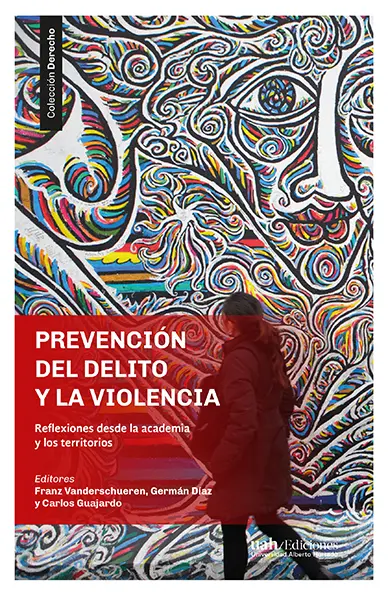
The Latin American region is lagging behind regarding the issue of crime and violence prevention. Although there have been specific experiences and policies emerging since the 1990s in some cities, no government has sustainably and systematically built a policy in this regard. There are only some situational prevention measures and an agenda marked by punitive populism that assume police repression, often in contradiction with human rights, is the best recipe against crime or at least the one that should respond to the priority demand of a public opinion that has been asking for greater security in all countries of the region since 2005.
Despite the fact that the development of its own ecumenical theology has proven fragile, this deficiency contrasts with the deployment of multiple ecumenical practices that have given a particular impetus to the Latin American ecumenical movement. There is no debt to praxis, but rather to a theological systematization of it for the preservation of memory and the redesign of new practices adjusted to new times. This is the purpose of the book, which is divided into six sections with 19 contributions, which, although by diverse authors, contexts, and perspectives, account for the globality of continental ecumenism.