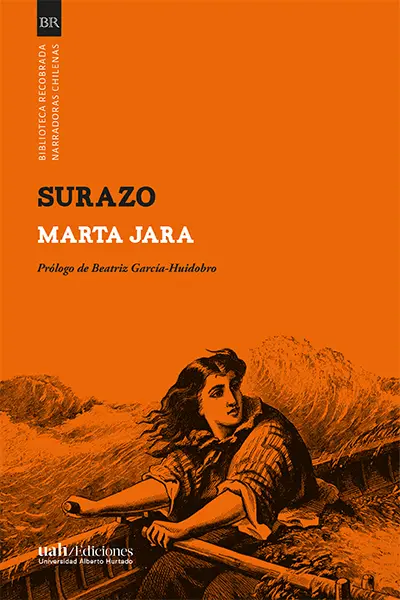
If the simple appears to be the axis of Marta Jara's writing, it is ultimately transcendent themes embodied in simple people. These four stories reveal how alike all human beings are, resembling each other in the great human topics: death, loss, love, family relationships, aging. And how nature is determinant in existences, how its grandeur is more than a setting and unfolds broadly and ungraspably while also being intervened by small fragments that generate the identity of men and women with the earth, the sea, and the wind.
Search Results for:
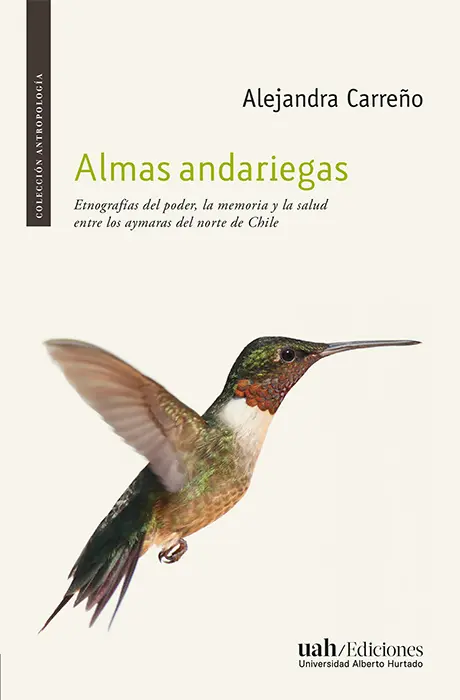
This book takes us through the experience of psychological suffering in people of Aymara origin living in neighborhoods of the city of Arica. Based on their life trajectories and ways of understanding their illness, the author reminds us of the history of our Latin America and the form that psychological suffering takes in those who are part of our indigenous peoples, broadening the horizon of understanding and transformation of the practices of our community mental health service teams.
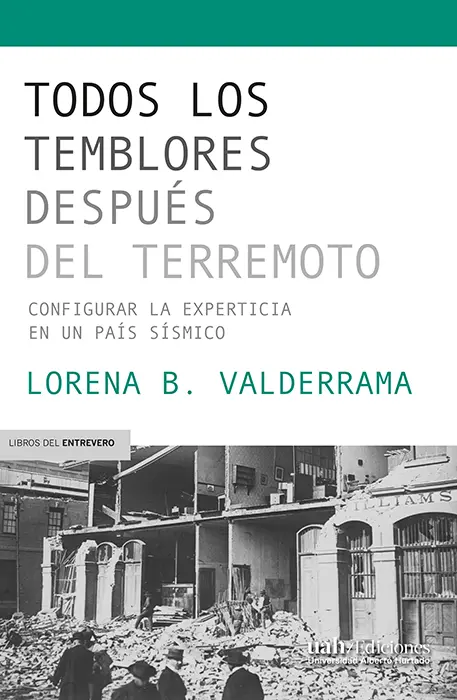
The catastrophic Valparaíso earthquake of 1906, which left more than three thousand dead, made possible various actions, among them the development of seismic study. Amid the emergency of the disaster, science held a privileged place, given that research commissions were established, specialists were hired, and thirty-four observatories were created that formed the Seismological Service of Chile. This book focuses on the study of the people who participated in the construction and legitimation of seismic knowledge in Chile at the beginning of the 20th century, which was multiple and diverse. However, many of the actors studied here have been ignored by the history of science in Chile, as is the case with earthquake predictors, informants, schoolteachers, priests, and sailors, among others.
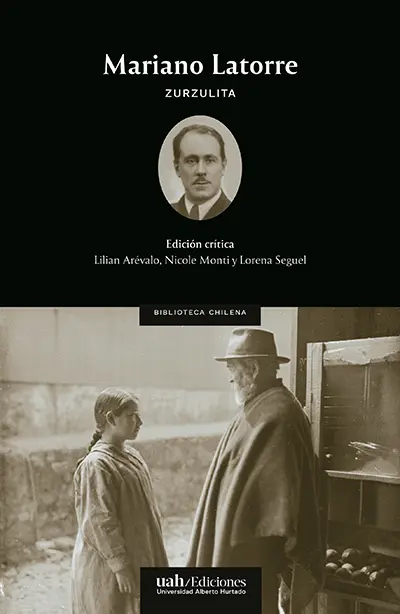
One hundred years after the publication of the novel, the question regarding the type of relationship established between humanity and nature seems to return with urgency, a question that, for reasons very different from ours, was also important to Latorre. A reading done in the present can clearly see the displacement and, in doing so, can also illuminate issues that seem vital today, such as the formation of a certain awareness regarding the limits that separate the natural from the human.
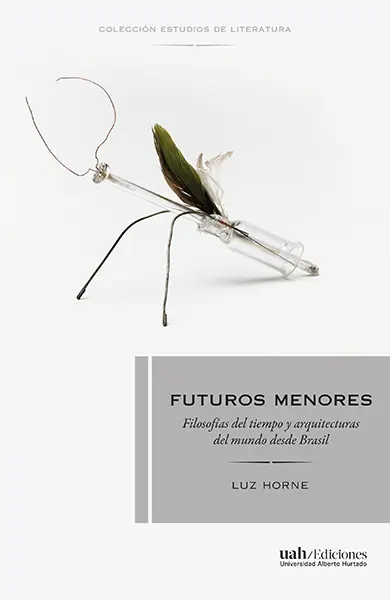
This new book by Luz Horne brings together diverse artistic and literary materials to make them think in concert, in an intellectual kitchen full of subtleties and surprises. The architecture of Lina Bo Bardi, the cinema of Eduardo Coutinho, the unclassifiable work of Flávio de Carvalho, among others, come together from the horizon of the question about past, present, and future time, from the geopolitical and historical confines of modernity, whose reverses and contradictions this book explores with a lucidity and originality that are much needed today.
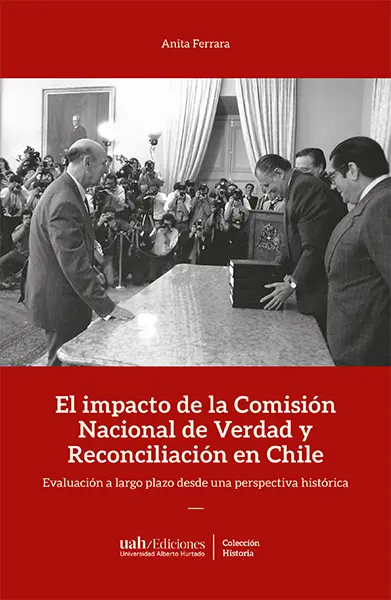
The book takes a long-term view of the work of Chile's National Commission for Truth and Reconciliation (CNVR) and questions how and to what extent this commission contributed and continues to contribute to the development of transitional justice measures, and in what way its relationship with subsequent events is established over time. The book argues, contrary to the opinion and expectations of those who considered it to have had limited success, that in the long run, the Chilean CNVR played an important role in enabling justice and ethical and institutional transformation in Chile. With the benefit of historical perspective, this book concludes that, in general, the impact of truth commissions must be carefully studied in the context of the Chilean experience.
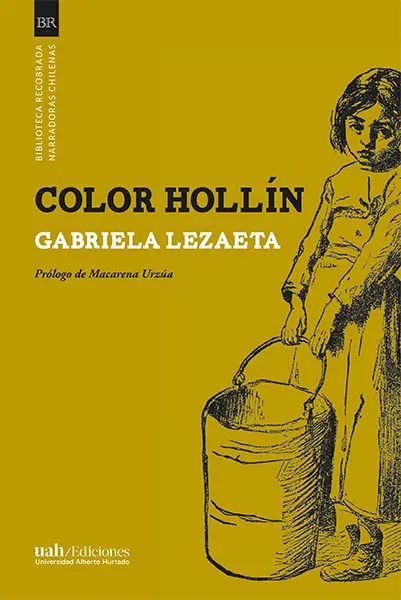
We don't know exactly what tone the “color of misery,” as it's called in the early pages of this novel, corresponds to, which is soot. We usually associate soot with dirtiness, poverty, something worn out, a shade that moves away from what is worthy of contemplation, like the natural landscape of a field, a beach, or a garden with flowers. This coloring, that of soot, will be one that guides the description of the novel's setting, where shades ranging from grays to dark brown abound. In Soot color, we hear multiple voices, especially women: Maria's mother, the town's healer, the neighbors, and primarily Maria herself. This combination gives us a unique social perspective of Chile at that time, told through the subjective and poetic gaze of the narrator.
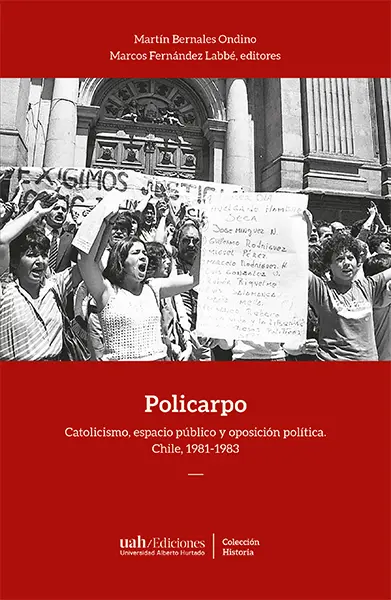
The texts that make up this volume were published clandestinely in the magazine Policarpo between July 1981 and April 1983. Reading them allows us to understand the complaints, analyses, and opinions that, forty years ago, were offered by a group of Catholics with a strong social commitment and an energetically critical view of both the transformations being carried out during the Dictatorship and the human rights violations it was perpetrating. The articles convey, on the one hand, the uncertainty of the future at a time of clear consolidation of the Government's project and, on the other hand, they attempt to sustain hope for a swift end to Augusto Pinochet's Dictatorship and his political project.
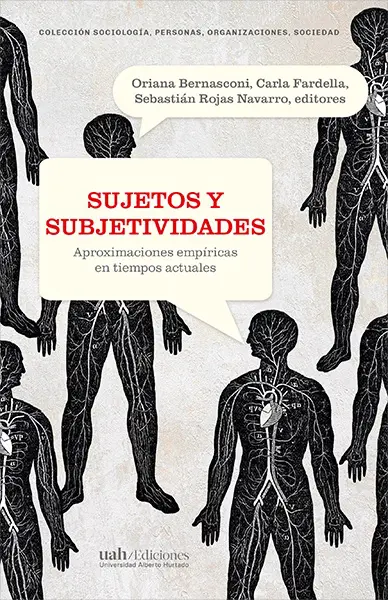
Throughout their development, the social sciences have been captivated, time and again, by the question of the subject and subjectivity. Whether this fascination was motivated by a desire for understanding, differentiation, liberation, or intervention, various authors have focused on the question of the subject and the effects its diverse compositions have on social life. From various intellectual and social movements, we have learned that human beings are not neutral. Believing them to be neutral and universal is, in fact, what has limited their problematization. The technoscientific, but also shamefully unequal and dystopian worlds we inhabit, demand that we put an end to this immobility disguised as neutrality. For this reason, in part, continuing to question the subject becomes a priority task for the practice of critical and forward-thinking social sciences.
Sport, as a novel element in the late 19th century and more clearly in the early decades of the 20th century, consolidated itself as a space of symbolic confrontation relevant to the modern configuration of Chilean journalism. More importantly, magazines managed to reconcile elements of popular culture (collective imaginaries, local customs, social aspirations) with elements of the emerging mass culture and incorporate these elements within the Chilean political culture that the State built in the mid-20th century.