Tuesday, April 26 // 3:00 PM uah // Digital TV «All the Tremors After the Earthquake. Configuring the Experience of a Seismic Country.» by author Lorena B. Valderrama In this talk/launch, the panelists and the author will discuss how earthquakes have been communicated in Chile and how...
Search Results for:
An excerpt from Nicolás Poblete's report and interview with Lorena Amaro and the Biblioteca Recobrada collection. «The «Biblioteca recobrada» project originates with the initiative of Alejandra Stevenson and Beatriz García-Huidobro, who, from the Universidad Alberto Hurtado, envisioned rescue as a way to “give new life to literature written by women in..."
Thursday, April 7 // 6:30 PM Digital TV «Soldiers of Repression: Anti-Communism, National Security, and Counter-Subversion of the Chilean Armed Forces, 1970–1975» by author Pablo Seguel. This talk will be about the role of state repression with a counter-subversive focus, the professionalization process of the Chilean Armed Forces and police, and...
On March 8th, the Comprehensive Policy on Gender, Diversity, and Equity was presented at the University. The ceremony was hosted by Paula Barros, Vice-Rector of Research and Postgraduate Studies. Paula highlighted the significance of presenting the new policy on International Women's Day. “That is what we commemorate today, the..."
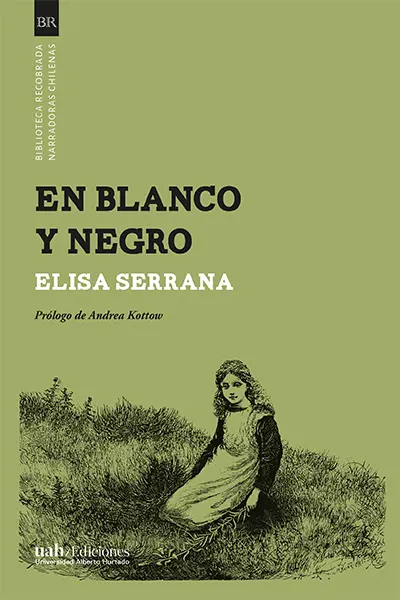
Written in retrospect, much of the story recreates the childhood of the narrator of this sort of autobiography, which is set in the family home in the Chilean countryside. The house operates as a condensation of existence and its possibilities, of different types of people and their destinies. The home where the blind girl grows up is a sort of repository for all those family members who have been unable to find their place in the world or have been expelled from it. This particular country house, then, shelters the odd ones out. The only common denominator of this community marked by eccentricity is precisely their oddness; that is, their difference.