'

Search Results for:

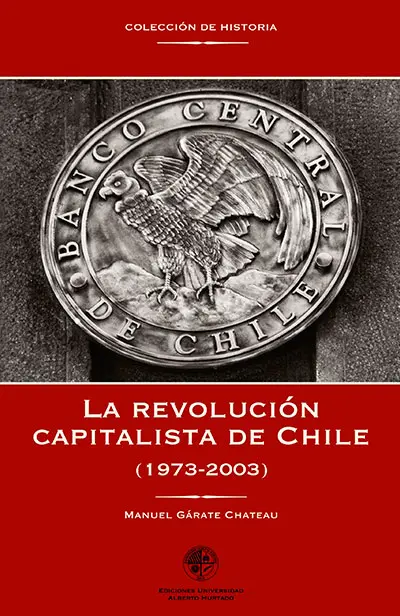
Chile's Capitalist Revolution (1973 – 2003)

How can we explain Chile's economic modernization during the military dictatorship? How did economic liberalism become established in our country before the fall of the Berlin Wall and the conservative experiences of Ronald Reagan and Margaret Thatcher? What phenomena enabled the acceptance of this neoliberal model? How were the economic elites shaped during the last third of the 20th century in Chile? This book not only analyzes the 17 years of the model's implementation and its subsequent consolidation during the Concertación governments but also reviews the historical background of economic liberalism in Chile and how, since 1975, the structure of the state and the economy were transformed, representing a radical break from the previous development model and even from the nineteenth-century liberal tradition.
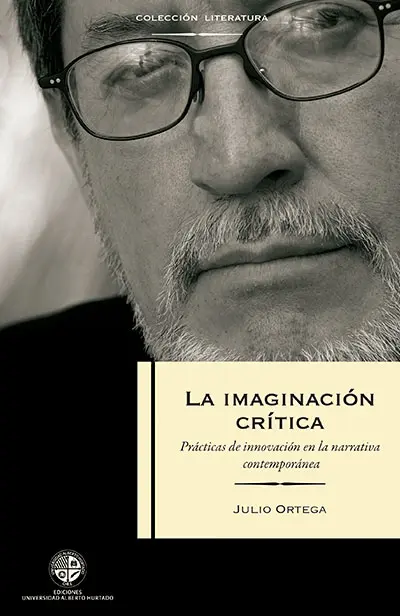
Critical imagination

Julio Ortega (Peru, 1942), recognized by international critics as one of the innovators of critical reading in Latin America, has also been dedicated to the promotion of new literature through conferences, anthologies, forums, and collections. A professor at Brown University, he has also taught at the University of Texas and has been a visiting professor at Harvard, Yale, Puerto Rico, Cambridge, Central de Venezuela, Católica de Chile, Granada, and Salamanca. He holds honorary doctorates from the Peruvian universities Nacional Del Santa and Los Ángeles, as well as from the Universidad Americana de Nicaragua. This text brings together studies on Rulfo, Fuentes, Sarduy, Lezama Lima, Borges, Pacheco, Cortázar, Arguedas, Eltit, Vargas Llosa, García Márquez, Arenas, Ferré, Bolaño, and Boullosa, among many others.

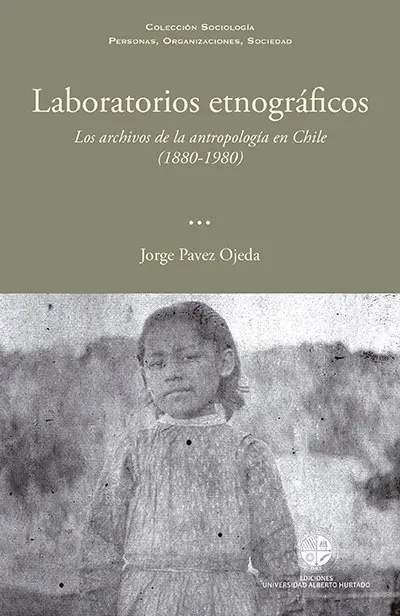
Ethnographic Laboratories

The result of over ten years of research in archives and museums in Chile, France, Spain, Belgium, the United States, and Germany, this extensive essay proposes a reading of historical anthropological archives over one hundred years of history. The narratives allow readers to delve into the political, institutional, and personal conditions that made the research of indigenous cultures possible, while also problematizing the status of texts, images, and objects as representations of ethnicity. These representations have influenced, to this day, the way the history and culture of the Mapuche, Yámana, Atacameño, Inca, Chinchorro, and Chango peoples are understood.

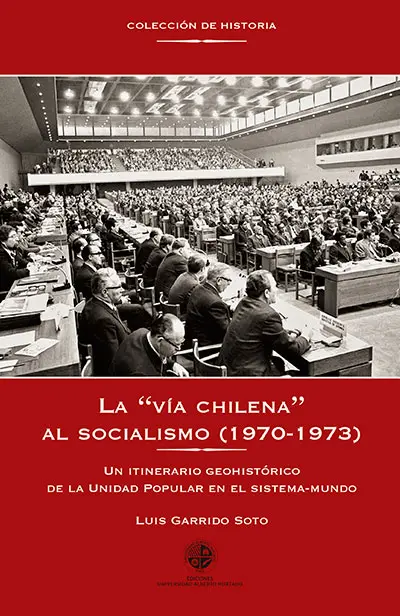
The “Chilean Way” to Socialism (1970–1973)

Is it possible to imagine a new historical analysis of the crisis and fall of the Popular Unity government? In principle, it seems difficult to add another explanation to one of the most extensively studied topics in recent Chilean history and in Latin American Cold War history. However, Luis Garrido's research adopts an original and challenging viewpoint by integrating the systemic theoretical framework of the American sociologist and historian Immanuel Wallerstein into the analysis of the 1973 institutional crisis. In this regard, the author invites us to understand the end of the Chilean socialist experiment in light of the long durée, inheriting Fernand Braudel's theses, and within the framework of global economic cycles (world-system).

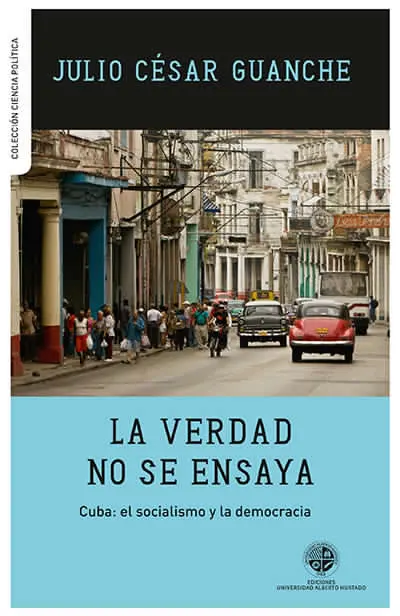
The truth is not rehearsed

The Cuban Revolution has surpassed half a century, and its imagery is today a subject of dispute on the island. Indeed, no transformation process is a placid journey toward the new and unknown. Consequently, no transformation process takes place amid complete unanimity and uniformity. Even less so when it has to keep pace in some way with the new challenges of the external world. The Cuban Revolution has gone through different stages and moments.

Particular interest will be aroused by the works presented here given the current moment; a moment of critical self-evaluation of their experience of socialism and of debates from below and from above regarding what the paths forward into the future should be.

The transformation of the Chilean company

How much has the Chilean company changed? To what degree are international trends of change expressed in the country? What results from the intersection of the country's peculiar past and global currents of change? After several democratic governments, have workers stopped having the marginal role they had during the military regime period? To answer these and other questions, an extensive and in-depth empirical investigation was carried out, covering 200 medium and large companies.

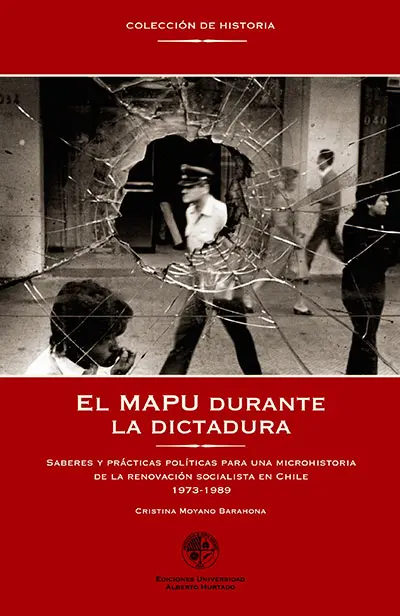
The MAPU during the dictatorship

Did MAPU die on September 11, 2005, as Eugenio Tironi stated? Was its death finalized 16 years earlier, when the party legally disappeared? Was this a political party according to standard parameters? What accounts for its persistence in contemporary political discourse? Why is the transition to democracy in Chile incomprehensible without it? These are some of the questions that give rise to this exhaustive research, which seeks to uncover some of the characteristics of this organization that became one of the most interesting political phenomena in our recent history. Cristina Moyano is a historian and published MAPU o la seducción del poder y la juventud – los años fundacionales del partido-mito de nuestra transición (1969-1973) [MAPU or the Seduction of Power and Youth – The Foundational Years of the Mythical Party of Our Transition (1969-1973)], Ediciones Universidad Alberto Hurtado, 2009.

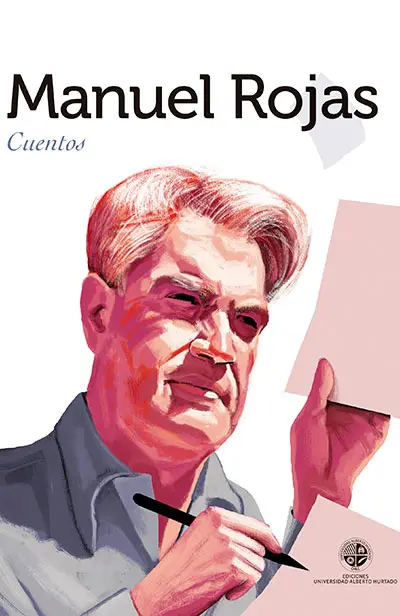
Manuel Rojas – Stories

In the short stories of Manuel Rojas, we witness the gestation of his literary project and the initial display of his maturity. Of the 32 stories he published during his lifetime, in fact, 28 appeared between the ages of 26 and 35. Cuentos brings together the broad collection of stories that Manuel Rojas chose to include in a volume published by the Sudamericana publishing house in Buenos Aires in 1970, three years before his death. On that occasion, he thoroughly revised these texts, extensively corrected them, and specially wrote the essay “I Speak of My Stories” as an introduction. More than forty years later, Cuentos is published for the first time in Chile. It undoubtedly represents Manuel Rojas's legacy in the short story genre.

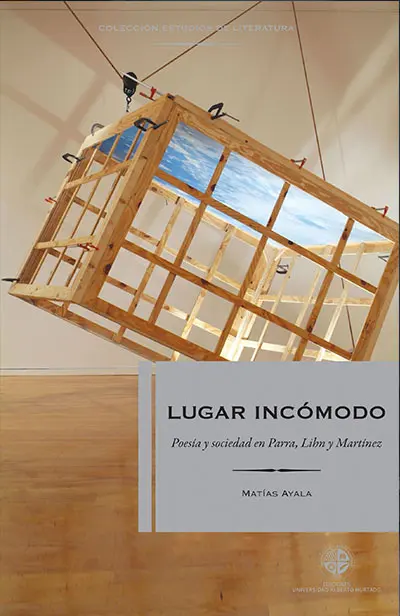
Uncomfortable place.

It is well known that the relationship between poetry and society in modernity has not been satisfactory; rather, a reasoned and constant disagreement has prevailed, going through tense periods of romantic reconciliation and individualist separation, and violent censorship or nationalist co-optation. This book is structured around this uncomfortable relationship between poetry and society in three Chilean authors: Nicanor Parra (1914), Enrique Lihn (1929-1988), and Juan Luis Martínez (1942-1993). Their works constitute a critical triad in Chilean poetry that has not only influenced later generations but has also changed the way national literature is understood and, perhaps, also the way society itself is read.

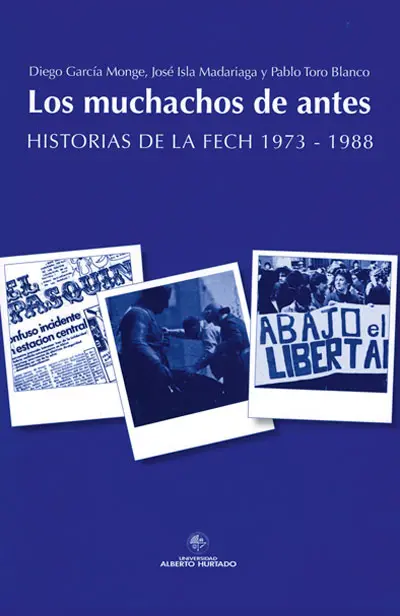
The boys of yesteryear.

in plural and lowercase, these “FECH Stories” contain the narration of the experiences of young people from the University of Chile during the years of the military dictatorship. From the apparent immobility of the written source—laws, regulations, solemn speeches, but also semi-clandestine pamphlets—to the fluid orality of the protagonists in retrospective reflection, all these voices converge in the formation of a braid whose meaning remains open and to be elucidated from our present.