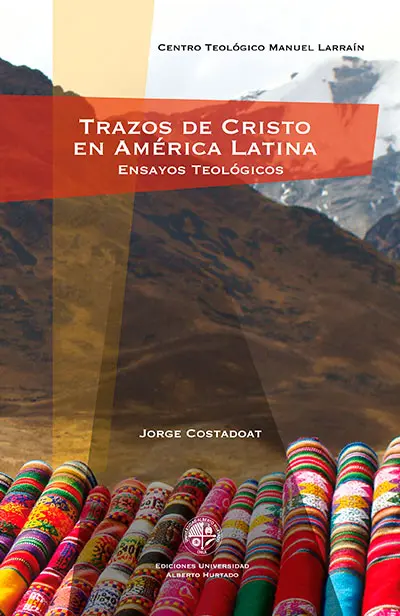
What does it mean to believe in God today? What does it mean to believe in God today in Latin America?
In this publication, the figure of Jesus Christ stands out as the interpreter of the true God. He deserves faith because he believed in the God who chooses the poor. At the same time, Alberto Hurtado is highlighted as an interpreter of Christ. “The poor person is Christ,” the saint cries out, anticipating the direction of post-conciliar Christian practice and reflection.
Search Results for:
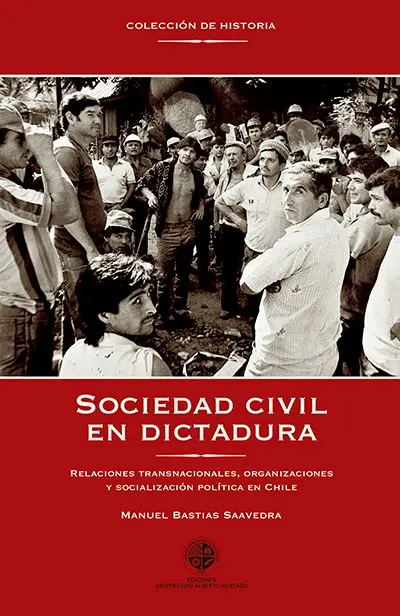
One of the central objectives of any dictatorship is to dismantle the organizations that constitute the social body it seeks to mutilate, and this is how it happened in the Chilean dictatorship. However, human societies have historically demonstrated that they are not “objects” that simply let themselves be destroyed. This book takes a careful and stealthy journey through that re-creative process of society, recognizing its physiognomy, its weaknesses, its renewed strength, and its transformative mobility.
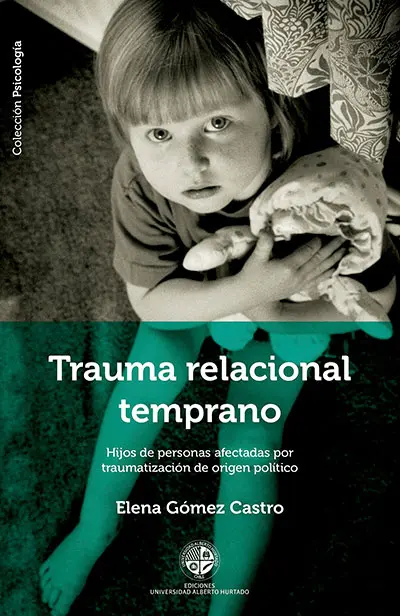
The configuration of early relational trauma is postulated due to the absence of emotional availability from parents, which determines the patient's relationships, the quality of the transference-countertransference dynamic, and her symptomatology. The book can be seen as part of the social mourning process in which we are still immersed. This implies recognizing the damage caused to our social body by the horror of the systematic violation of human rights following the breakdown of our democracy over forty years ago. Repairing this damage involves being able to inhabit a temporality that resists amnesia, so that the wound can fully heal.
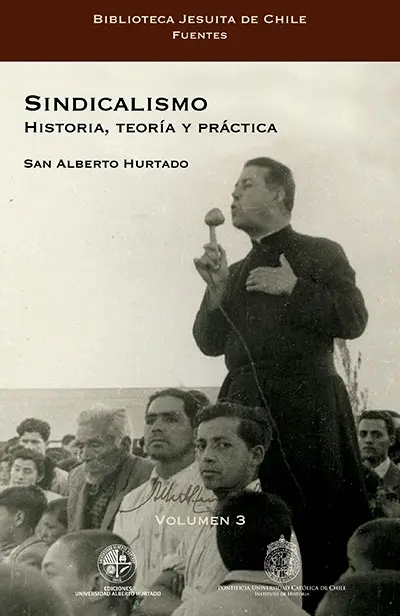
Like any prophetic gaze, this work by Saint Alberto Hurtado is not just a record of the past, but a challenge in the present. His words, like a fire that ignites other fires, call us to active discernment today and to confront the labor reality that still cries out for justice. Yesterday and today, being contemplative in action is the call to join the mission of serving the faith and promoting the justice it demands of us. This is where the relevance and the unique and special tone he offers us in his book lie.
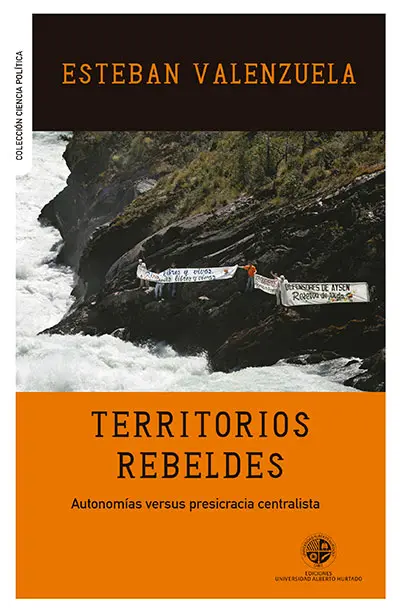
The rebel territories have not won, but they have pushed the boundaries of what's possible, succeeding in bringing back into public debate in Chile the ideas of regional autonomy, intercultural territory and Mapuche autonomy, co-participation of regions in mining revenue and natural resources, and consultations with communities in referendums on whether they desire mega electrical or extractive industries. The meta-narrative of slight historical incrementality in a gradual evolution of power to the territories, in a Chilean fashion, is maintained. The cycle of protests and territorial rebellion will likely continue.
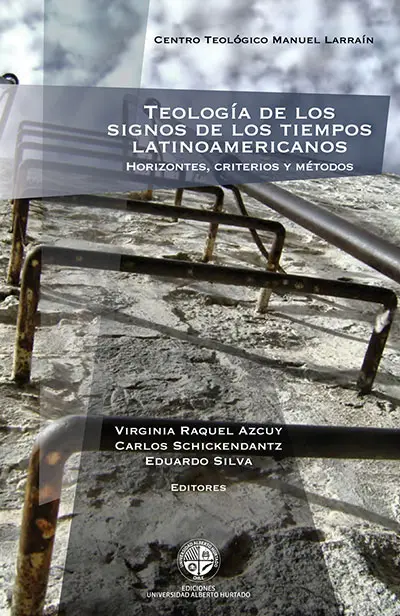
The Manuel Larraín Theological Center (CTML) is an academic and research center belonging to the Faculty of Theology of the Pontifical Catholic University of Chile and the Faculty of Philosophy and Humanities of the Alberto Hurtado University. Its mission is to collaborate in the dialogue between Faith and Culture, through the discernment of the signs of the times undertaken by the Church. Created in 2005, the CTML provides a theological service aimed at recognizing God's action in historical events, through a twofold task: interpreting the historical present in light of faith and interpreting the Gospel and Scripture from the present situation.
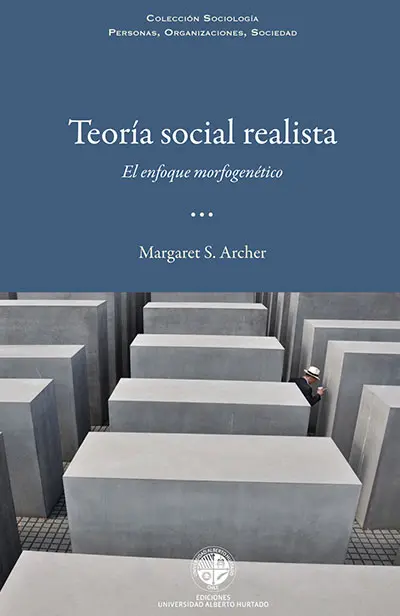
Building on her previous contribution to Culture and Social Theory, Margaret Archer here develops her morphogenetic approach and applies it to the problems of structure and agency. Structure and agency constitute different levels of social reality, each possessing emergent properties that are real, causally effective, and mutually irreducible. Through a systematic consideration of the temporal dimension of social phenomena and a strong concept of emergence, she seeks to provide the foundations for a non-conflationary theorization of the relationships between structure and agency that will help the social analyst to empirically study the accelerated processes of social change in contemporary society.
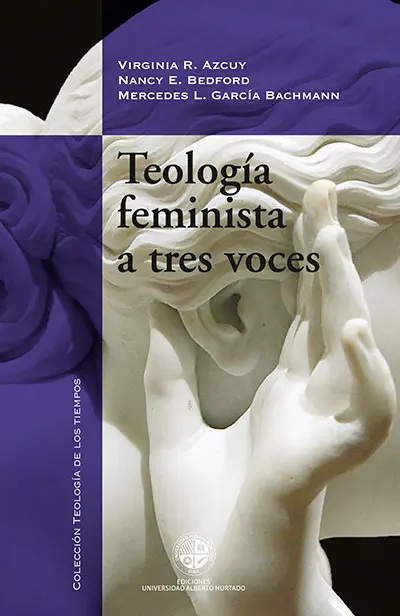
Christian feminist theology arises from the perception of contemporary feminism as a fundamental challenge to Christianity, referring above all to the dignity of women and the full humanity of all human beings. It is, in a sense, the search for how to speak of God rightly to promote relationships of equality and reciprocity between men and women, because language—including theological language—shapes the reality we inhabit.
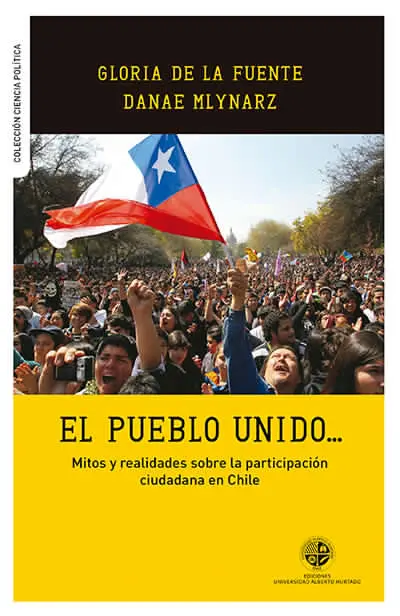
In light of the social mobilizations that have occurred in Chile since 2011, it is evident that institutional channels—which are partly a product of the very conditions imposed by our transition model—were largely overwhelmed, opening new questions about which political-institutional mechanisms are most suitable for addressing these new demands. The book aims to develop a balance sheet of citizen participation policies that have been promoted in Chile, as well as to account for the challenges posed in light of the political and social transformation that citizenship has undergone.
In 1965, at the conclusion of Vatican II, Monsignor Manuel Larraín expressed that what the conciliar assembly had experienced was impressive, but that if we in Latin America were not attentive to our own signs of the times, the Council would pass by our Church. Embracing this task is the mission our Theological Center has set for itself and which we undertake in this book. The contributions we offer here to this post-conciliar, Latin American theology of history are fundamentally methodological.