'

Search Results for:

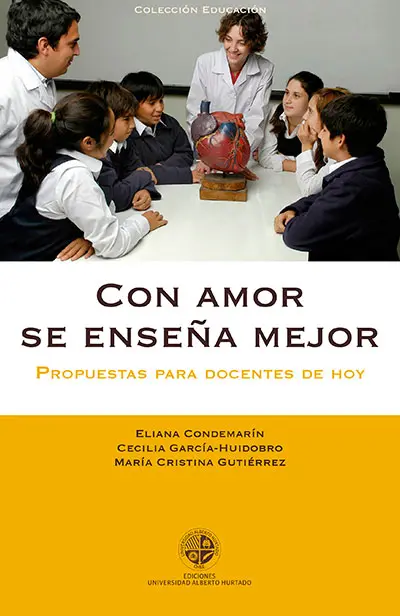
Love teaches best.

This text is born from the authors' vast experience and bibliographical research that has guided their work over many years. The book encourages and motivates teachers to review their pedagogical practices for effective classroom performance, emphasizing the human and ethical aspects without neglecting the quality and quantity of content, methodologies, and learning. It describes the qualities of a good teacher and how to embody them so that children and young people perceive and appreciate them. The connection between school and parents is also important, as is the exchange and strengthening among teachers who recognize a common vocation.
Credibility of Christianity

Thinking about faith within the context of one's own cultural environment is not a luxury that can be left to a few specialists, but a requirement of all believing experiences. The author, a recognized Chilean theologian, embarks on this path by addressing various aspects of belief in relation to current socio-cultural conditions. Why think about faith? Is it reasonable for a believer who is also modern? What kind of language can make the image of God more transparent and the voice of the Church more credible today? Does Christianity have anything relevant to say about everyday and decisive issues like happiness, freedom, and death?

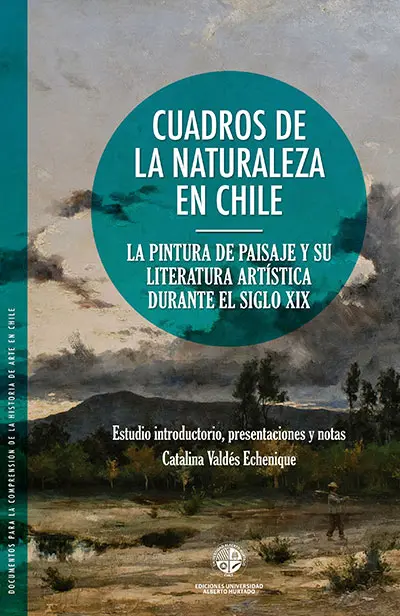
Paintings of nature in Chile

The landscape is not just the representation of a place: time is also present in it, and for this reason, history.

This anthology seeks to contribute to the recovery of the historical dimension of landscape by addressing, from the field of 19th-century art history, the links between art, science, and ideology. It thereby proposes a notion of landscape as the result of a dynamic combination of practices, perceptions, and visual constructions in which our understanding of our surroundings and our place within them is at stake.

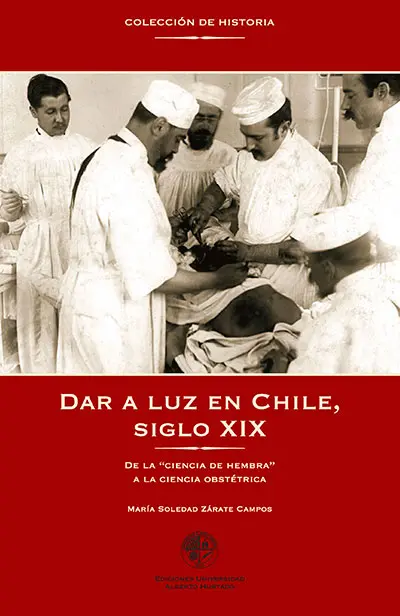
Giving Birth in Chile, 19th Century

Who, how, and where women were assisted at the moment of giving birth in nineteenth-century Chile are the central questions of this study. At the time, healthcare assistance during childbirth became a growing social and medical concern that inspired two parallel and gradual transformations: the increase in scientific control over childbirth and the reduction of the influence of folkloric aspects and popular medical practices linked to it. By examining childbirth assistance, this study contributes to a comprehensive understanding of a social event of substantive implication not only for the female population but for Chilean society as a whole.

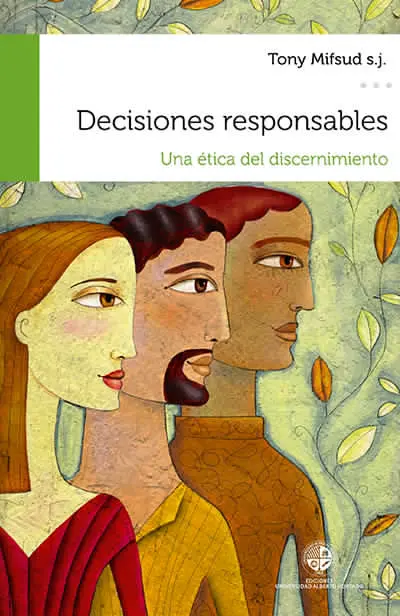
Responsible decisions

How to make ethical decisions in a pluralistic society? How to form one's own ethical opinion responsibly and on a solid basis? This book proposes a method: an ethic of discernment. Furthermore, it concretely shows how this process is carried out by applying it to almost eighty current topics. Thus, it aims to present a theory and also demonstrate its applicability through its use in a wide variety of everyday topics. In this way, it does not aim to exhaust a topic nor to pronounce a conclusive word. Its purpose is to highlight the ethical dimension in the discussion of topics that affect civic life. Therefore, it does not aim to think for others but to stimulate others to think ethically.

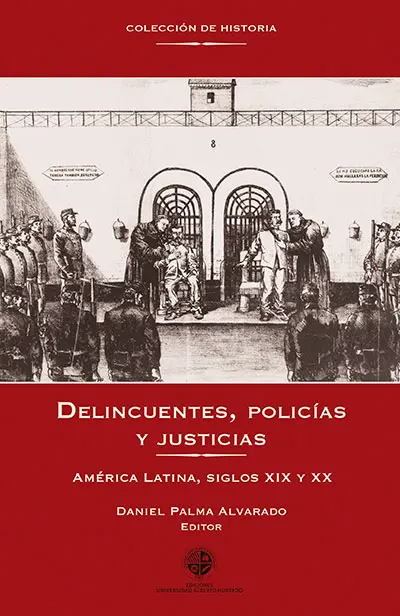
Criminals, police, and justice

How has the field of the history of the “criminal question” been configured in Latin America? What have historically been the concerns of our societies in this sensitive area, so embedded in daily life? What kinds of subjects were protagonists in criminal plots? What have been the judicial and police mechanisms, and how have they unfolded over time? These are just some of the questions that motivate the authors of this compilation, which delves into the interstices of the regimes that shaped our countries: Chile, Argentina, Peru, and Mexico.

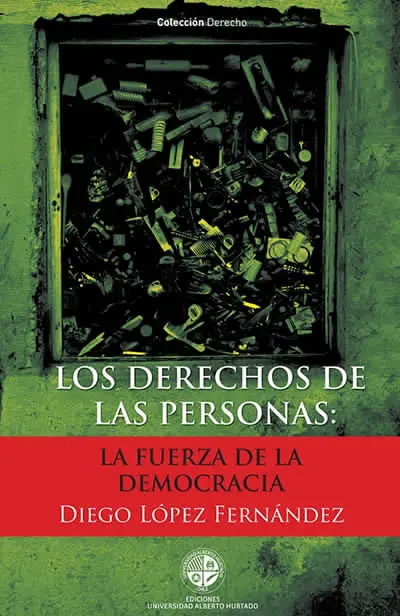
People's Rights: The Strength of Democracy

The linkage of rights with the political regime that governs our lives is notorious: all of them are intimately tied to how we conceive of public affairs and what we expect from life in common; what we can demand from authority and what we can expect from market exchanges.

The weaker the rights of the people, the more the regime of government will lean towards discretionary use of political power and will be more permissive of the exercise of economic power in social life and in the market, thus more easily subjugating the majority of people. Those same people will respond with indolence and growing detachment when authorities invoke their civic commitment; responsibility, and patience for institutions to do their work.

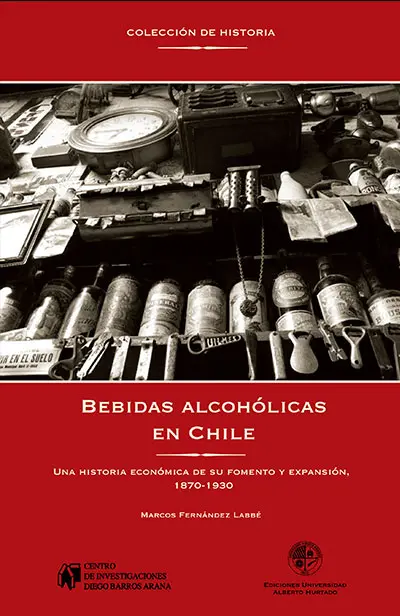
Alcoholic beverages in Chile

This book investigates the main trends in several economic fields related to the production, trade, and consumption of alcoholic beverages in Chile between 1870 and 1930. It contributes to understanding the social representations constructed in Chile during the same period concerning habits of immoderate drinking, as well as serving as a reference for policies undertaken by the State, institutions, and private groups against alcoholism. This material allows for an understanding of the series of social, political, and cultural processes centered around the widespread custom of the country's inhabitants—women and men, rich and poor, employed and unemployed—consuming intoxicating beverages.

Inequality in Chile

In the words of Carlos Peña, human beings come into the world with very unequal endowments or resources. Some of these are the result of natural chance (a disability, for example, or, conversely, a special physical aptitude), others are the result of history (for example, the social class into which one is born). These diverse endowments will place their possessor in a certain place in social space, dictating at which part of the multiple and invisible scales of prestige and power they may rest. This book attempts, in light of accumulated knowledge, to answer these questions.

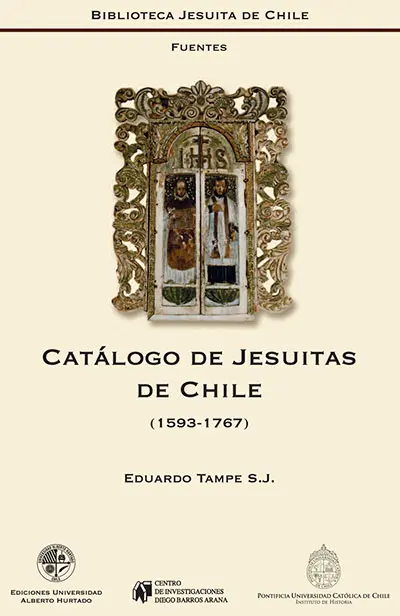
Catalog of Jesuits of Chile, 1593-1767

In this work, Fr. Eduardo Tampe Maldonado, S.J., offers the fruit of a project begun in 1996: a catalog of all Jesuits who were in colonial Chile between 1593, the year of their arrival “in these Kingdoms,” and 1767, when the Pragmatic Sanction of Charles III, which decreed the expulsion of the Company from territories dependent on the Spanish Crown, was executed here.