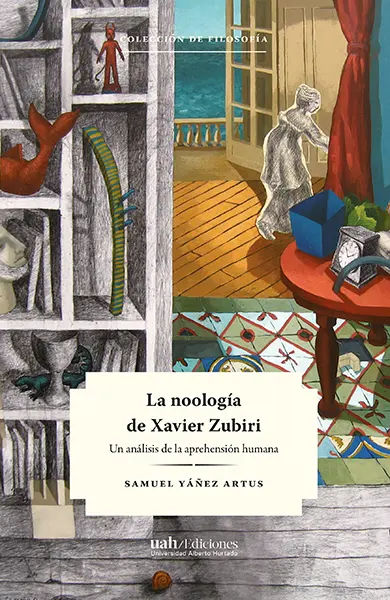
In Being and Time Heidegger maintained that the human existent is thrown into the world. The philosopher Xavier Zubiri (1898-1983) felt that this is not the case; rather, human beings are more connected to the real and its reality. This is because, for him, the radical aspect of human life is apprehension, and this is, in all its diverse modes, a mere actualization of reality. To demonstrate this, he published, between 1980 and 1983, the three volumes of a voluminous work of more than a thousand pages, Sentient intelligence, in which he develops a detailed analysis of the human act of apprehension, which he intends to be a mere analysis, that is, to stay within the limits of the act itself.
Search Results for:
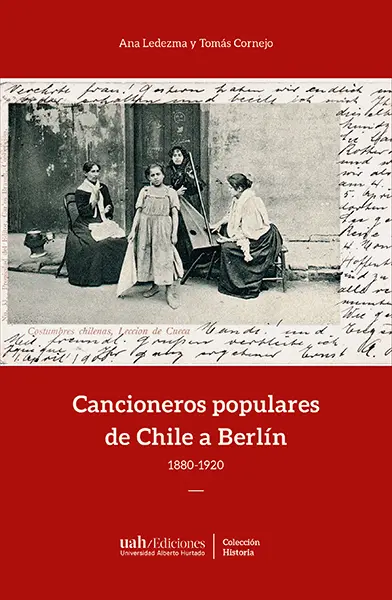
By reviewing the songbook pages, we learn about the musical tastes of the era, where songs from all over Hispanic America appear, as well as chants attributed to oral tradition that, however, we see printed here in more than one edition. The songbooks themselves provide many clues to understanding various themes: the gender roles promoted within their pages, the contested formation of national identity, or the dynamics of popular readings, offering new documentary veins for the research of cultural scholars and for anyone who is part of the audiences of yesterday and today.
The reflections in this book are structured around the purpose of answering how Latin America positions itself in its relations and ties with the Asia-Pacific, in view of an uncertain and transforming international scenario, given the crises in Western economies, shifts in U.S. policy, China's economic emergence, the international migration crisis, regional fragmentation, and changes in the political attitudes of governments, not only in the Latin American region but also in parts of the Western world, in order to provide a portrait of the orientation that the relationships between both regions have adopted and the challenges that these changes represent for their common policies and interests.
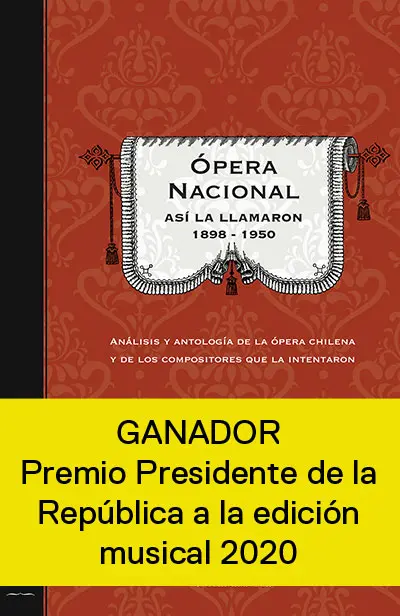
This remarkable work is only possible because behind it, above it, and before it stands an opera enthusiast like Gonzalo Cuadra. An artist who knows the genre and what it produces in the affections of those who feel challenged by it; who is capable of recognizing the value of a score and of events linked to musical life—sometimes inexplicable, like many of those narrated here—and who can detect how certain gaps in knowledge regarding art are due to some social injury and/or end up producing it. The ignorance and marginalization of Chilean opera—which deepened the lack of development that the genre displays in this land—are predictable, but that does not make them any less surprising.
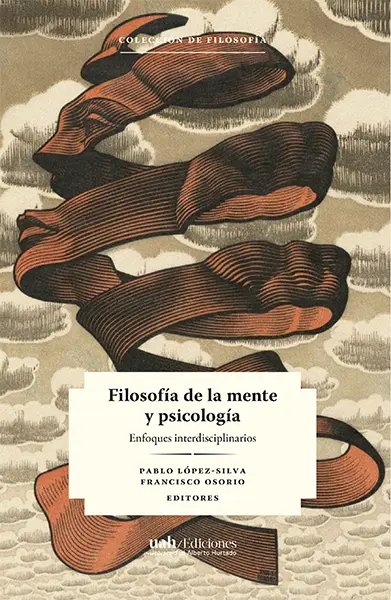
The concepts that we commonly associate with the term “mind” (intelligence, understanding, consciousness, thought, among many others) are extremely enigmatic. Thus, although human beings seem to enjoy a sort of primitive familiarity with all of them, at the same time, such concepts are elusive in various ways. The elusive character of the concept of mind becomes clearer in the context of understanding the various symptoms that characterize its pathologies. How can we understand such psychopathological states? How could the study of these states illuminate the general understanding of the non-pathological mental states with which we are already familiar in our daily lives?
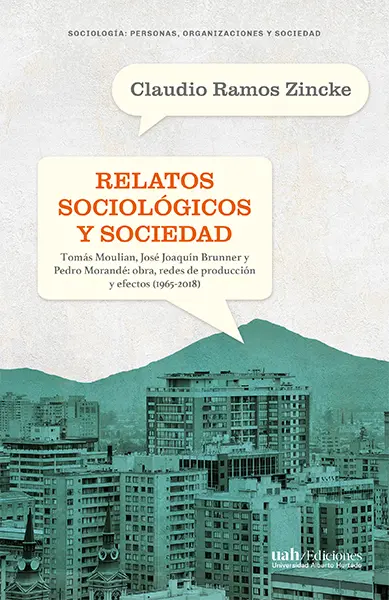
The book addresses the interweaving between sociologists' interpretive elaborations and the interpretations that guide or shape social life. Sociological accounts are studied as components of society. To this end, the author follows the biographical trajectory, academic production, and public activity of these three prominent sociologists. He analyzes the accounts of society contained in their works, as well as the national and global networks within which such accounts are configured, and the diffusion and reach of their interpretations. Through this, the text surveys the sociological elaboration and the debate about society that occurred in Chile during the last five decades.
Translation by Alejandro Gorr
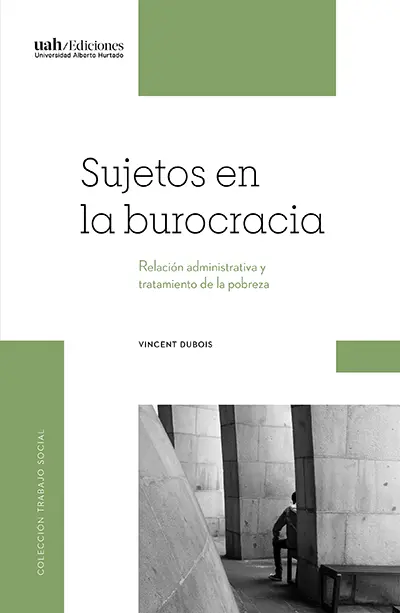
In a region where interactions between the poor and state bureaucrats multiply and become indispensable for the survival of the neediest, this brilliant and illuminating text provides us with diverse methodological and theoretical tools to understand and explain their necessity and effects. This is a necessary and pertinent book not only for understanding the complexity and ambiguity of both the material and symbolic aspects of bureaucratic encounters, but also for the construction of a political sociology that attends with equal emphasis to interactions, classifications, relations, and processes.
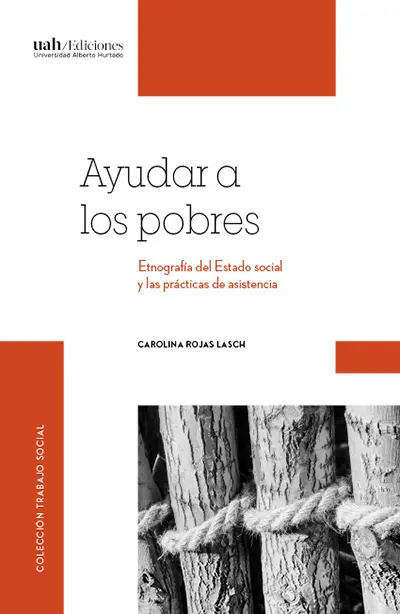
This book addresses aid to the poor as a political object, meaning an instrument of politics through which society will transmit normative ideas about itself; in short, a contested field. In this sense, aid is a mode/means of social reproduction while also being understood as a field of interest that arises from decisions and power plays. This implies recognizing its capacity to construct reality, that is, its productive potential. The research has, therefore, been constructed from the interdisciplinary and critical intersection of political anthropology, the sociology of aid, and the study of affect.
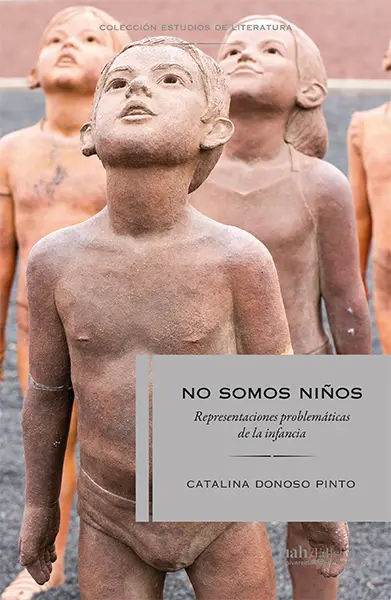
The author reflects on a particular film and literary production, offering a perspective on childhood that is both distant from and close to the viewpoints of philosophers and great film theorists and directors. The author recognizes children not only as subjects with rights, but also as those who, through aesthetic production, provide insights into the cultural and social operations that restrict their lives and their own cultural significance. Childhood's loud and rebellious voice, we are told, permanently interferes with our language and the designs of patriarchal and conservative entrapment. School and family, as the analysis of some films and literary works warns, continue to be the main pillars of their misunderstanding and domestication.
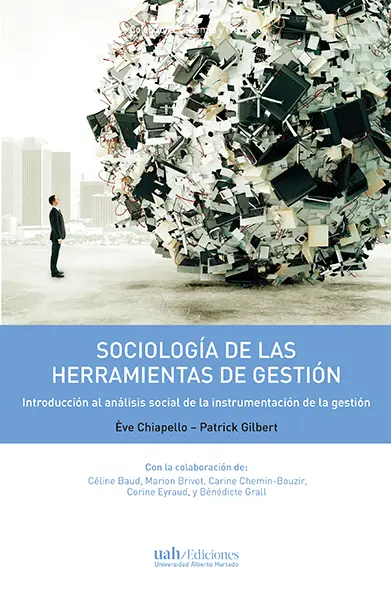
This book introduces management tools in the analysis of social and organizational phenomena. It questions where these instruments come from, how they become established, what changes they undergo in their local application, and how they affect social relations. To this end, it reviews and contrasts different theories that have addressed this topic since 1990, from sociology, political science, and social psychology, as well as from management sciences. Based on this, it proposes its own framework and methodology to approach the issue in a comprehensive manner.
This book won the FNEGE Award for Best Research (2014)