'

Search Results for:

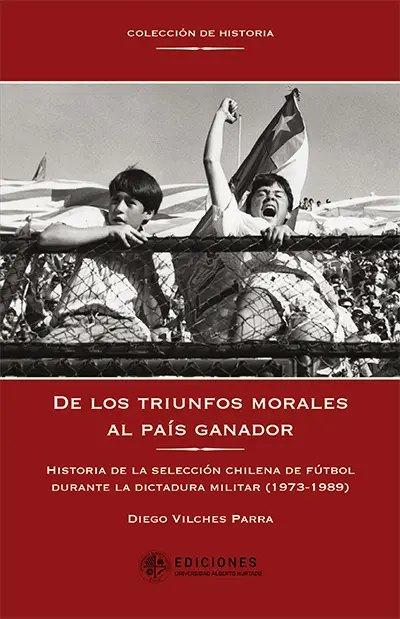
From Moral Triumphs to the Winning Country

The book that Diego Vilches delivers to us is not just about a national football team, its protagonists, and the press that covered it, but rather a story that aims to intersect the social, political, economic, and also the cultural. It is a well-documented and interesting account that draws on passions and emotions, but also analyzes, with great clarity, what defines the Chile born from the capitalist revolution of the 1970s and 80s: the aspiration to win, to feel victorious, to lift an international trophy, even if it sometimes involved trickery and deceit.
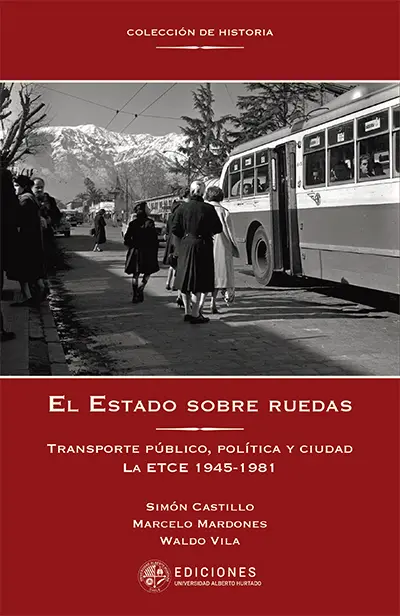
The state on wheels

The text addresses public transportation precisely as a problem and as a life experience; the avatars of the ETCE construct a social history and far surpass the description of machines and routes, plans and documents on the subject. To this day, the ETCE has been the only urban collective transportation experience where the State assumed direct responsibility in the difficult task of navigating the city-labyrinth. Its workers, moreover, were perhaps the only ones who, because of this, generated an experience, a public voice, and a memory that managed to be established alongside the opinions of “experts,” career politicians, and businessmen on the topic.

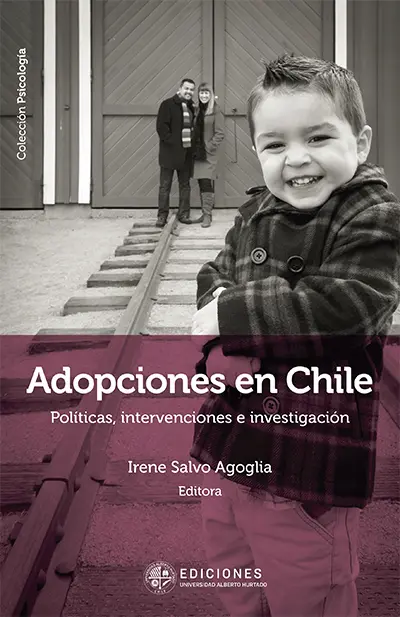
Adoptions in Chile

Nowadays, adoptive family configurations are increasingly heterogeneous, given the diverse characteristics of children eligible for adoption, the profiles of applicants, and the reasons why these families are formed. As a complex, multifaceted, and socially relevant phenomenon, intervention and research in adoption matters require constant interdisciplinary and intersectoral dialogue. This publication represents an effort by multiple stakeholders from various sectors and disciplines: authorities, professionals, and academics, who come together to problematize and analyze different relevant facets and topics in the field of adoption policies, interventions, and research, identifying present and future needs, critical issues, and challenges.

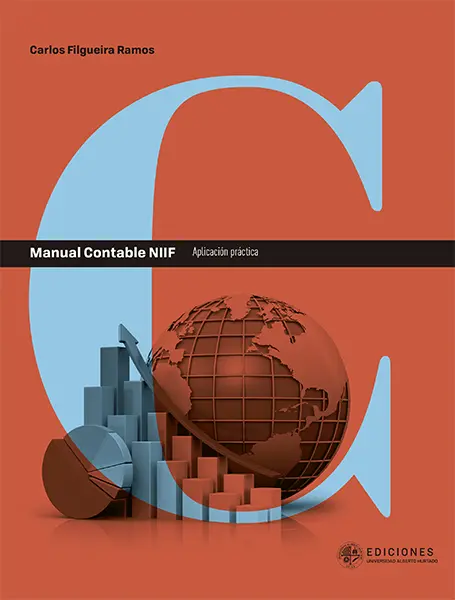
IFRS Accounting Manual

The author of this work has developed a professional approach that he wishes to share with individuals interested, professionally or academically, in the development, comprehension, and application of International Financial Reporting Standards. The work features an innovative section by presenting an understanding for users of accounting information on how to correctly proceed with the classification of company information, so as not to affect, through the application of IFRS, the reasonableness of the financial statements, ensuring they are a true reflection of the company's position before the users of its financial statements.

Letters of Saint Alberto Hurtado


Alberto Hurtado lived the tensions, struggles, and challenges that all of that entails. He fought against ideologies and materialistic views of humanity, which aspire only to economic and material progress and promote ways of life centered solely on the pursuit of money, pleasure, and comfort. His letters bring us into contact with the intimacy of this holy man. His constant desire to serve, to find God's will, and to encourage the best service to others is impressive. It is perceived that his tireless search for truth is always animated by love.


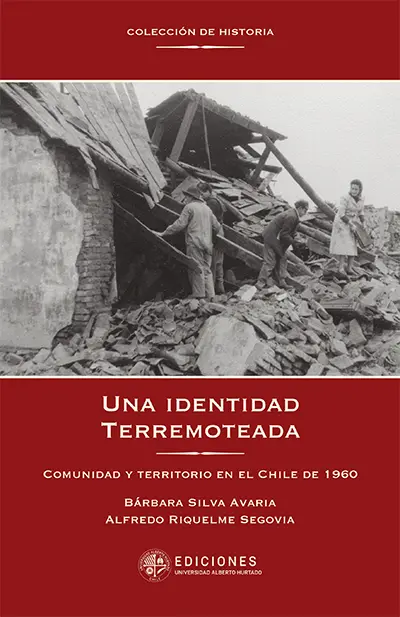
A dislodged identity

This book examines the catastrophic Valdivia earthquake and tsunami—which, according to somewhat sensationalist sources, was “the strongest in history”—to understand and shed light on mid-20th-century Chile. The authors emphasize how the disaster managed to position itself symbolically during the commemoration of the sesquicentennial of independence, particularly the role it played in creating an official identity and other, less official ones that sought to incorporate earthquakes as a national symbol of a “teluric nation.”.

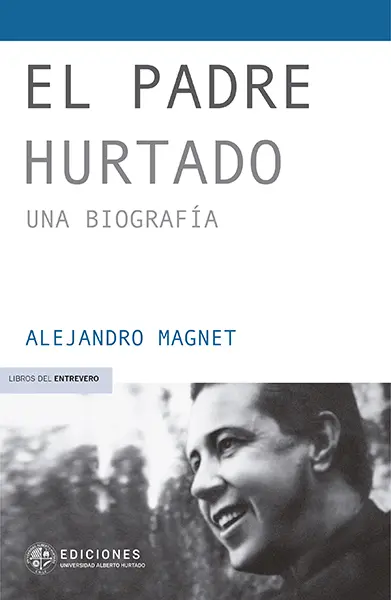
Father Hurtado

Alejandro Magnet wrote this biography from close up, just a few months after the future saint's passing. It therefore has a great deal of feeling and intimacy, the passion of Alberto Hurtado still alive in those who knew, admired, and followed him in his short but fruitful existence. It begins with the family history, his mother's early widowhood and her struggles to raise her two young children, the personality of Alberto as a child and adolescent, his premature priestly vocation and the long wait until entering the Society of Jesus, the years of study, the travels, and then, like an avalanche, his impressive priestly life. The vicissitudes he had to face—after all, every institution is always human and complex—and the way he fought for his convictions are rescued by the author with great psychological depth and vast research that unveils the valuable legacy of Father Hurtado.

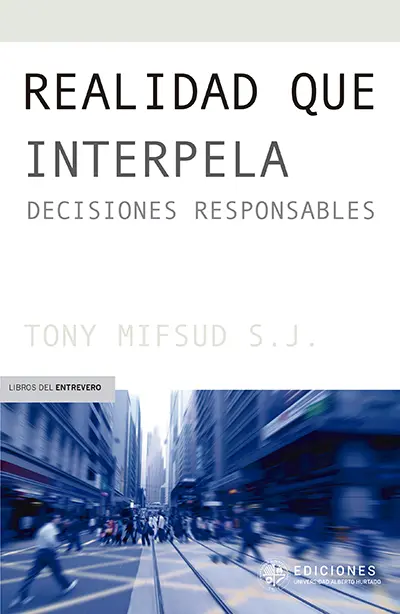
Reality that challenges

A lot is said about discernment in our days, but what exactly is it and how is it done in the field of ethics? In this writing, which is a continuation of the previous book Responsible decisions, the author continues to present current ethical themes according to the methodology of discernment: (a) What is the fact?, (b) understand it thoroughly, (c) what are the values involved?, and (d) make a corresponding decision. The author does not make a decision for the reader, but rather invites them to reflect, to establish relationships between the different facts, and finally to make their own decisions based on the presented data and the explicit values.

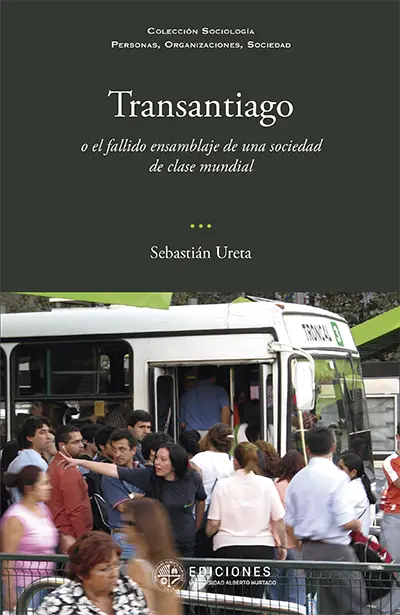
Transantiago

The exclusion of citizenship from public policy design holds a prominent place in criticisms of the State's actions in Chile. Contrary to this notion, this book argues that human beings, both individually and collectively, are always at the center of any public policy. To better understand the problems of public action, therefore, the relevant question is not why this exclusion occurs, but rather to focus on the mechanisms by which citizenship is included in public policy formulation, which we call “human devices” here.
This book develops this argument through the analysis of Transantiago, the public transportation system of the city of Santiago, Chile. From the beginning of its planning in 2000, Transantiago promised not only to end the historical problems of the city's public transportation system but also to create a “world-class” society, which would confirm the achievements of the social democratic governments in power since 1990. Contrary to these promises, the massive problems faced by Transantiago since its launch in February 2007 led to it being quickly considered a paradigmatic case of how public policy should not be implemented.
Mixing elements from Science, Technology and Society (STS) studies and governmentality theory, this book analyzes the development of Transantiago as the problematic assemblage of a series of highly heterogeneous and incoherent human devices. From this perspective, moving towards better implementation of public policies does not solely involve increasing instances of citizen participation as is usually assumed. Above and beyond these, public policies must be framed within a logic of care that replaces messianic visions with a continuous questioning regarding the origins, means, and consequences of planned intervention in the recipient population.

Starting out in teaching

Within the professional lives of teachers, the first few years of teaching are decisive. When they began the research that brought this book to life, the authors wondered about the difficulties faced by novice teachers. They wanted to know if these were the same difficulties as in the past or if they were from other places. They were interested in knowing what might have changed in recent years in Chile regarding how one becomes a teacher. They knew that the diverse educational settings in our country and initial teacher training could leave specific marks on these new teachers.